

As of July 8, 2026, the U.S. Consumer Product Safety Commission (CPSC) has officially launched its mandatory electronic filing (eFiling) program. If your company imports regulated consumer products into the United States, this change directly impacts how you submit compliance documentation at the border. Understanding the new requirements and preparing your internal processes is no longer optional, it is a condition of clearing customs. At GLC … Read More
Ocean Freight Q3 2026: BAF Surcharges Are Rising. Here’s What Importers Should Review Before Booking
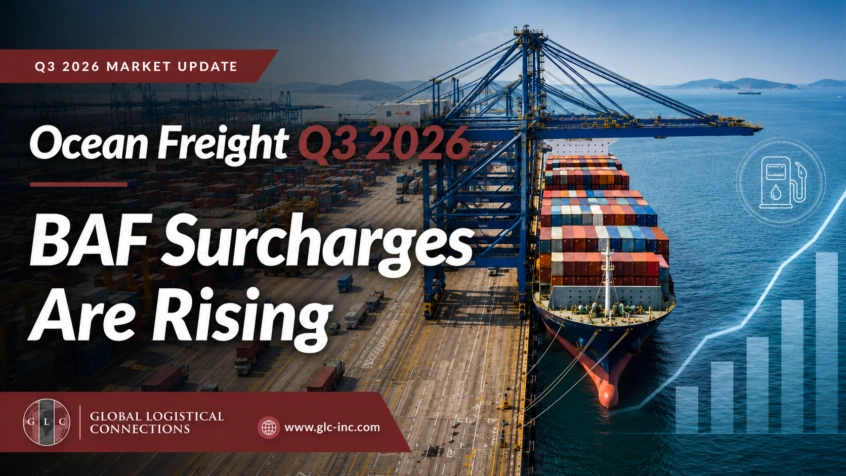
Ocean Freight Q3 2026 is entering a more complex pricing and capacity environment. For importers, the challenge is no longer simply finding the lowest base ocean rate. Fuel-related surcharges, early peak-season demand, carrier capacity management, blank sailings, and tighter booking windows are all influencing the true cost and reliability of moving cargo. One of the biggest changes came with the July quarterly fuel surcharge reset. … Read More
Ocean Freight Rates Are Climbing Again: What Shippers Need to Know for June and July 2026
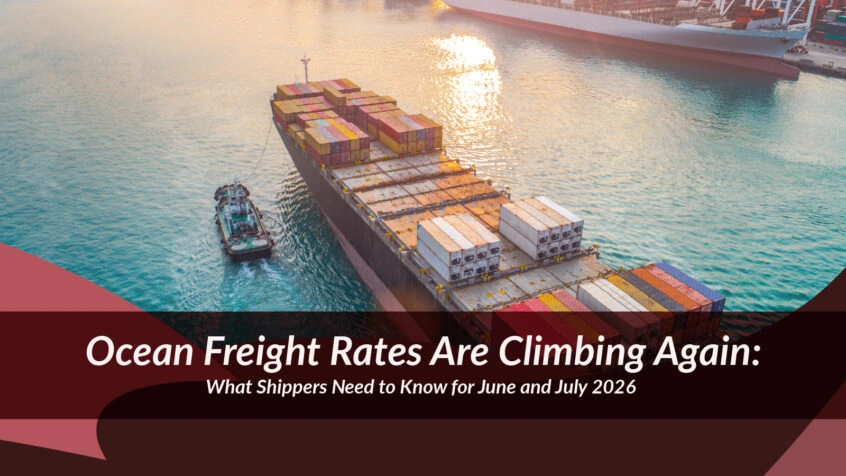
Ocean freight rates have been climbing steadily for the past several weeks, and the pace is accelerating heading into June and July 2026. For importers shipping from China and from South America, the numbers moving through the market right now are not projections. They are active carrier filings, confirmed General Rate Increases, and spot rate data already reflecting a sharp upward move. If your team … Read More
Section 232 Metals Update: What Importers Need to Review Now

On April 2, 2026, the White House announced a new Section 232 action affecting steel, aluminum, and copper imports, along with certain derivative products, reshaping valuation, scope, and product treatment for many importers. At first glance, it may look like another tariff headline. In practice, this update is more significant than a simple rate increase. The new action changes how some products are valued for … Read More
Port of Oakland Faces Volume Fluctuations Amid Global Trade Changes
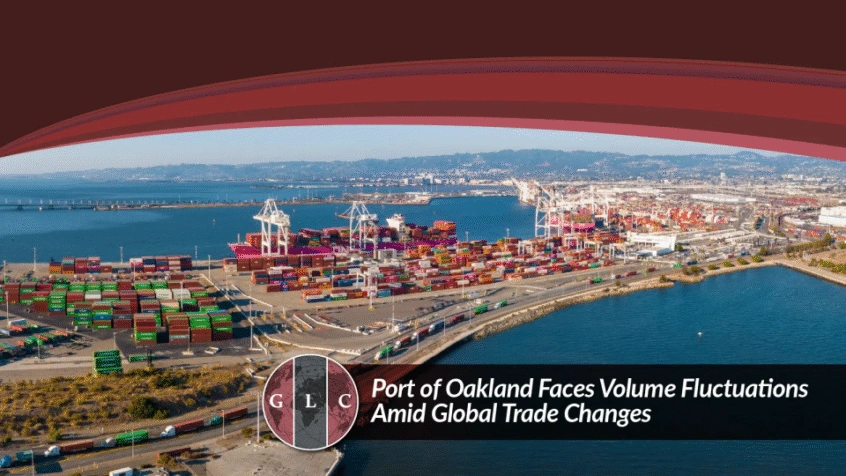
The Port of Oakland, a critical gateway for U.S.-Asia trade, is experiencing significant shifts in cargo volumes due to evolving tariffs and trade policies. These changes are altering shipping patterns, prompting companies to reevaluate supply chain strategies and port utilization. Recent tariff adjustments have increased costs for certain imports, influencing the volume of goods moving through Oakland. As carriers adjust routes to optimize profitability, shippers … Read More
Reciprocal Tariffs: Current Details as of July 31

Although the reciprocal tariffs are slated to take effect on Aug. 1, the most up‑to‑date information comes from the July 31 announcement. Annex II of the executive order issued at that time lists each affected country and the percentage of additional duty that will be added to its existing Harmonized Tariff Schedule rate. For every country‑specific entry the order repeats the same conditions: the additional duty does not … Read More
Trump Halts Tariffs on Mexican Imports – But for How Long?

The trade landscape took another sharp turn this week as President Donald Trump announced a temporary pause on tariffs for Mexican goods covered under the United States-Mexico-Canada Agreement (USMCA). This decision, which grants a reprieve until April 2, comes amid heightened economic uncertainty, market fluctuations, and growing concerns from businesses about rising costs. A Strategic Pause Amid Trade Tensions After discussions with Mexican President Claudia … Read More
U.S.-China Trade War: Redrawing the Global Economic Landscape

As the U.S.-China trade war heats up again, the world’s two largest economies are at a pivotal juncture. With the second Trump presidency and escalating tariffs, China’s economic strategies and its ambitions to become a high-tech powerhouse face renewed scrutiny. Trump’s Trade Agenda and Its Global Ripple Effect Donald Trump’s proposed tariff hikes, which could reach as high as 60% on Chinese goods, represent a … Read More
Customer Service in Supply Chains

In today’s competitive market landscape, the significance of customer service within the supply chain industry cannot be overstated. As businesses strive to meet and exceed customer expectations, the impact of customer service on a brand’s reputation and customer loyalty has become more pronounced than ever. The statistics speak volumes about the pivotal role customer service plays in shaping consumer perceptions and decisions. According to Arena … Read More
Transloading and Intermodal Synergy

In today’s rapidly evolving global marketplace, the efficient movement of goods has become a cornerstone of success for businesses across industries. As international trade continues to grow and e-commerce takes center stage, companies are seeking innovative ways to optimize their logistics strategies. One such solution that has gained prominence is transloading, a shipping technique that facilitates the seamless transfer of goods between different modes of … Read More
- Page 1 of 2
- 1
- 2