

When many people hear the term cargo theft, they picture a stolen trailer, a broken seal, or a parked truck targeted overnight. That still happens, but the risk environment has changed. Today, cargo crime is often more strategic, more digital, and harder to detect at first glance. That is why shippers need to think beyond physical security alone and take a closer look at the … Read More
Fuel Volatility Is Reshaping Transportation Costs
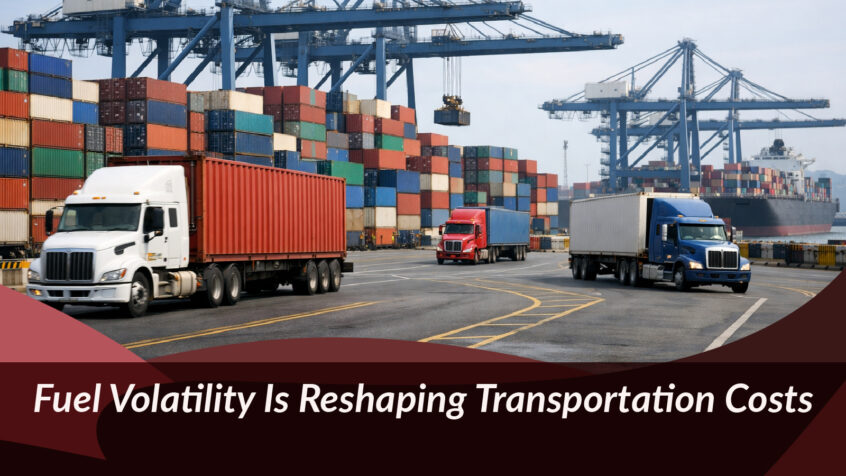
Fuel prices have always influenced transportation costs, but in the current market, the impact is becoming harder to ignore. For many shippers, the biggest challenge is not only that diesel is expensive. It is that diesel volatility is now flowing directly into weekly fuel surcharge adjustments, making logistics budgets more difficult to predict from one week to the next. That matters because transportation spend is … Read More
When Conflict Disrupts the Supply Chain
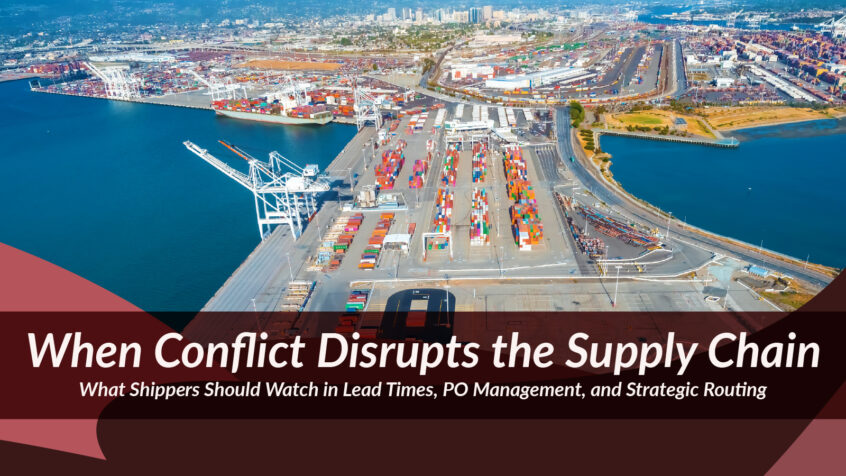
What Shippers Should Watch in Lead Times, PO Management, and Strategic Routing Geopolitical conflict is often discussed in terms of headlines, oil prices, or market reactions. For importers, exporters, and logistics teams, however, the real impact shows up somewhere more immediate: in lead times that stop behaving predictably, purchase orders that require constant reprioritization, and routing decisions that suddenly carry far greater operational and financial … Read More
25% Tariffs on Countries “Doing Business” With Iran
In mid-January 2026, multiple major outlets reported that President Donald Trump announced a 25% tariff targeting any country that “does business” with Iran, described as effective immediately via a social media statement. For supply chain leaders, the headline isn’t just “a new tariff.” It’s the uncertainty: Which countries qualify? What counts as “doing business”? Will CBP publish implementation guidance? Will it stack on top of … Read More
A $1.2T Trade Deficit, New Tariff Pressure
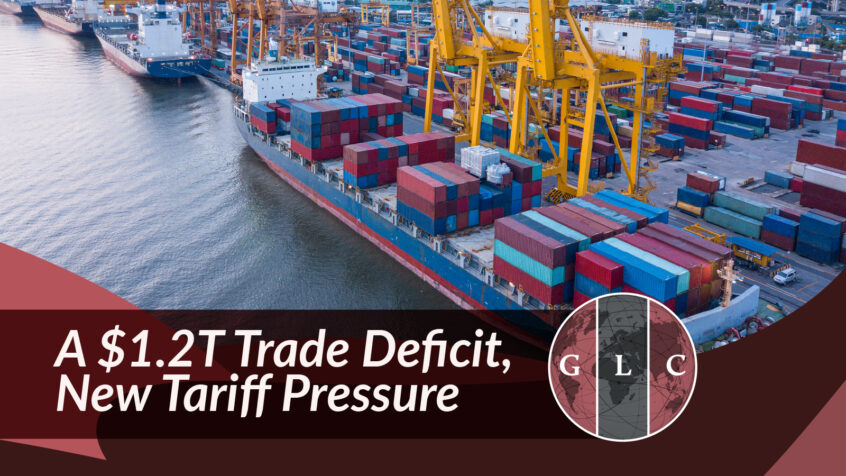
On December 9, 2025, the U.S. Senate Appropriations Subcommittee reviewed USTR activities and FY2026 funding priorities, with Ambassador Jamieson Greer as the witness. The hearing emphasized the use of reciprocal tariffs as an enforcement tool aimed at addressing a reported $1.2 trillion trade deficit. While the memo is written through an agriculture lens, the themes apply broadly across supply chains: More tariffs used as leverage … Read More
Counterfeits at the Border: Lessons from CBP’s $18.6M Louisville Interception
In early December 2025, U.S. Customs and Border Protection (CBP) officers in Louisville intercepted three international shipments containing counterfeit luxury goods, valued at more than $18.6 million if authentic. This wasn’t a “one-off.” It’s a clear signal that counterfeiters continue to exploit express and parcel channels, especially during peak and holiday surges, when volumes spike and bad actors hope to blend in with legitimate trade. … Read More
New U.S.–Latin America Trade Deals
The United States has announced a set of new framework trade agreements with four Latin American countries: Argentina, Ecuador, Guatemala and El Salvador; that will reshape tariff patterns on key food and agricultural products. One of the headline moves: the U.S. plans to drop a 10% reciprocal tariff on Argentine beef and significantly expand the volume that can enter the country at low or zero … Read More
US–China Tariffs in Late 2025: New Tariff Realities for Shippers
After years of tit-for-tat tariff hikes, the United States and China have stepped back from the brink, but they have not gone back to “normal.” Recent gestures following talks between President Trump and President Xi in Busan, South Korea, have cooled the temperature, trimmed some tariffs, and paused a few escalation triggers. Yet for shippers, importers, and exporters, landed costs on China–US trade lanes remain … Read More
The scale of the counterfeit problem this holiday season
CBP and its enforcement partners seize tens of millions of counterfeit items every year, from apparel and electronics to cosmetics, toys, and even medicines. In its most recent update, CBP reported seizing nearly 79 million counterfeit items in a single fiscal year, with a notional retail value in the billions if those goods had been genuine. Counterfeit clothing, consumer electronics, toys, and medications were among … Read More
Port of Oakland Faces Volume Fluctuations Amid Global Trade Changes
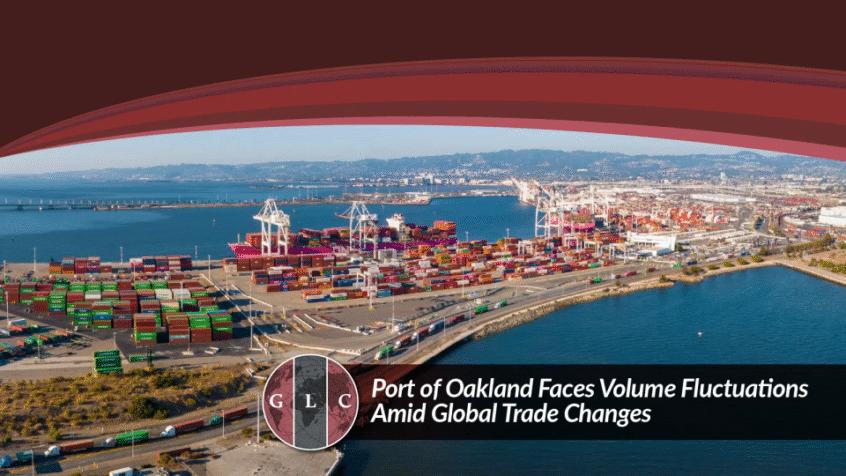
The Port of Oakland, a critical gateway for U.S.-Asia trade, is experiencing significant shifts in cargo volumes due to evolving tariffs and trade policies. These changes are altering shipping patterns, prompting companies to reevaluate supply chain strategies and port utilization. Recent tariff adjustments have increased costs for certain imports, influencing the volume of goods moving through Oakland. As carriers adjust routes to optimize profitability, shippers … Read More