
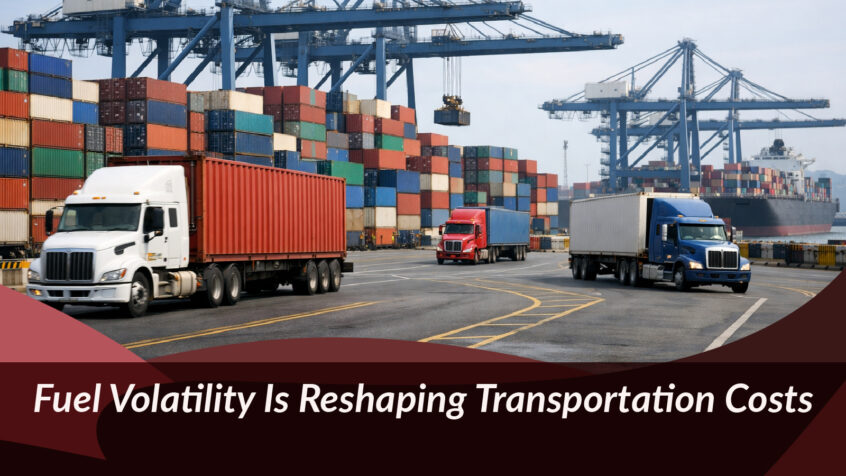
Fuel prices have always influenced transportation costs, but in the current market, the impact is becoming harder to ignore. For many shippers, the biggest challenge is not only that diesel is expensive. It is that diesel volatility is now flowing directly into weekly fuel surcharge adjustments, making logistics budgets more difficult to predict from one week to the next. That matters because transportation spend is … Read More
25% Tariffs on Countries “Doing Business” With Iran
In mid-January 2026, multiple major outlets reported that President Donald Trump announced a 25% tariff targeting any country that “does business” with Iran, described as effective immediately via a social media statement. For supply chain leaders, the headline isn’t just “a new tariff.” It’s the uncertainty: Which countries qualify? What counts as “doing business”? Will CBP publish implementation guidance? Will it stack on top of … Read More
A $1.2T Trade Deficit, New Tariff Pressure
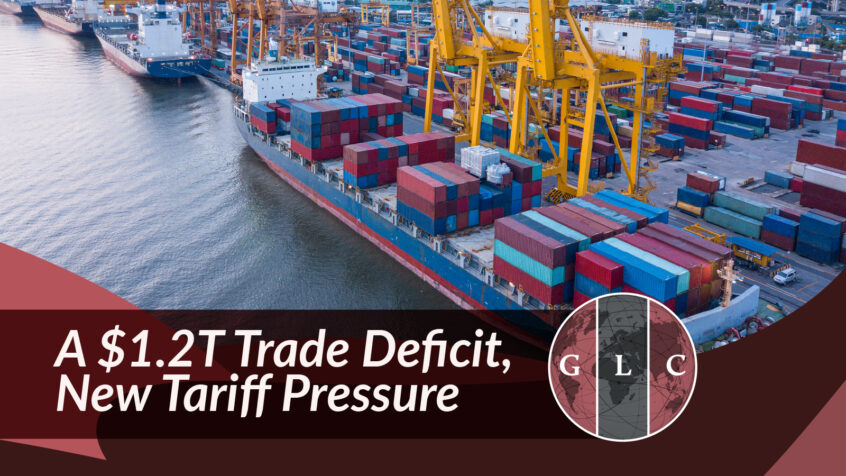
On December 9, 2025, the U.S. Senate Appropriations Subcommittee reviewed USTR activities and FY2026 funding priorities, with Ambassador Jamieson Greer as the witness. The hearing emphasized the use of reciprocal tariffs as an enforcement tool aimed at addressing a reported $1.2 trillion trade deficit. While the memo is written through an agriculture lens, the themes apply broadly across supply chains: More tariffs used as leverage … Read More
US Plans 100% Tariffs On China And How Beijing Is Responding

President Trump said the U.S. will impose an additional 100% tariff on all imports from China, citing a “mineral trade dispute” after Beijing tightened controls on rare-earth exports. In his announcement, he indicated the move could begin “November 1st, 2025 (or sooner, depending on any further actions…)”, a signal to importers that policy risk is now immediate, not theoretical. Other major outlets report the same … Read More