

The booking was confirmed. The purchase order is due before Black Friday. Then the container rolls to the next sailing, and the question lands on your desk: do we fly it? For many importers this fall, the honest answer is “some of it.” Ocean schedules are harder to rely on, but air freight isn’t cheap either. The smartest move is rarely to convert an entire … Read More
September 2026 Ocean Freight: What Importers Should Review

September begins with a complicated Transpacific ocean freight environment for U.S. importers. Capacity is being actively managed, rate pressure remains elevated, Panama Canal operating conditions are changing, and companies are beginning to position their next wave of Q4 cargo. The important point is that a softer import-demand forecast does not automatically mean easier shipping conditions. GLC’s recent Transpacific ocean freight market update identified 14 blank … Read More
USMCA 2026 Review: What North American Importers Need to Plan For Now
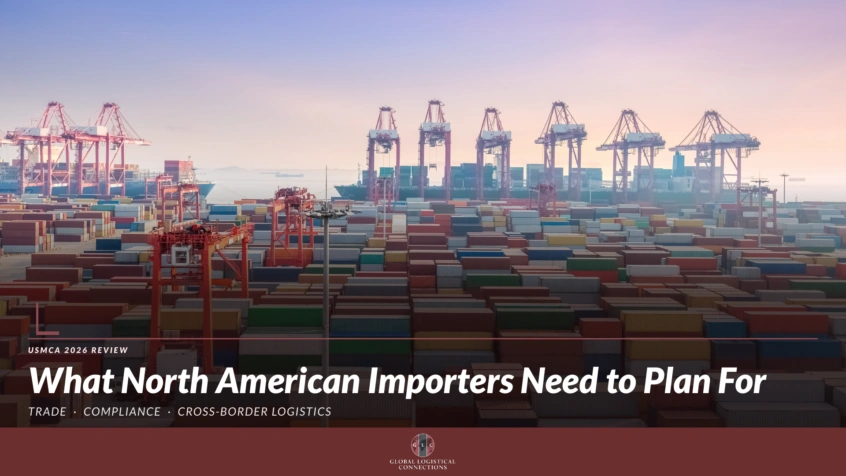
The USMCA 2026 review is no longer a distant policy milestone. It is now one of the most important trade developments for companies moving goods across the United States, Mexico, and Canada. For importers, exporters, manufacturers, and supply chain teams, the review introduces a new planning environment where compliance, documentation, origin strategy, and cross-border logistics must be evaluated together. On July 1, 2026, the United … Read More
Transpacific Rates Are Surging: What Importers Need to Review Before Q3
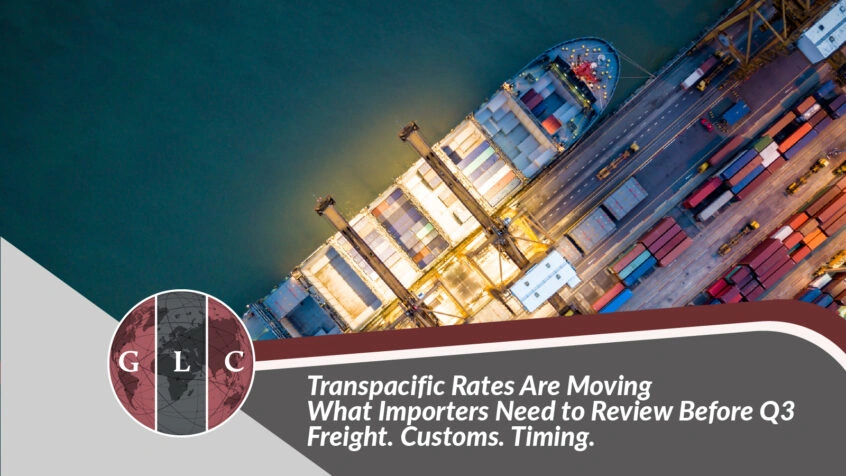
Transpacific ocean freight rates are moving quickly again, and importers that are still planning against Q1 assumptions may need to revisit their Q3 strategy now. The issue is not only the base ocean rate. The current market is being shaped by early peak-season demand, carrier capacity management, blank sailings, fuel-related pressure, and new peak season surcharges. For importers moving goods from Asia into the United … Read More
Scaling Pet Supply? Fix Your Logistics First
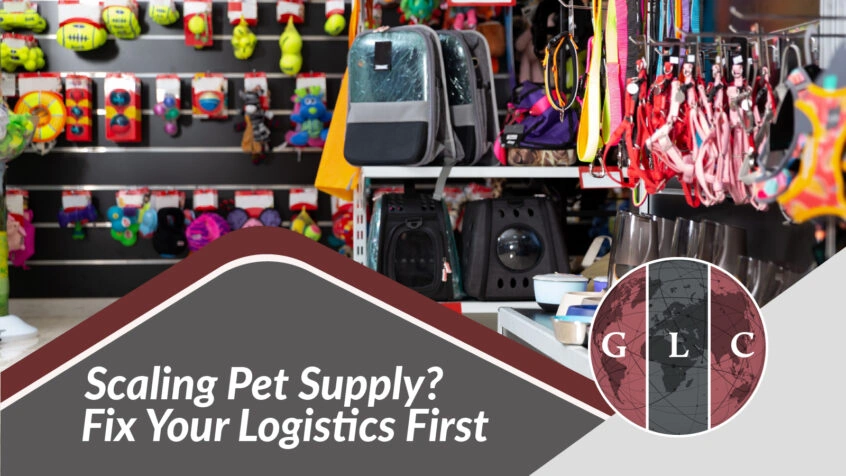
The U.S. pet supply market keeps growing, and that creates a major opportunity for brands selling pet food, treats, toys, grooming products, accessories, and other pet care items. According to the American Pet Products Association, U.S. pet industry spending reached $158 billion in 2025 and is projected to reach $165 billion in 2026. But growth also creates pressure. More SKUs, more import requirements, more retailers, … Read More
Fuel Volatility Is Reshaping Transportation Costs
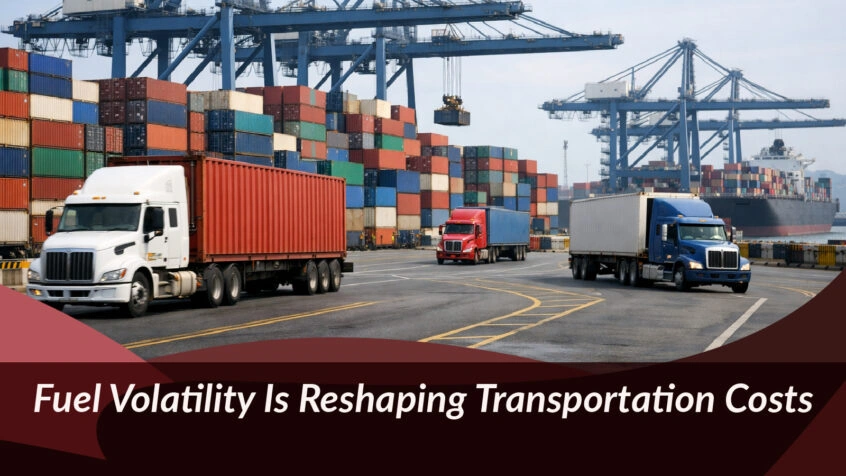
Fuel prices have always influenced transportation costs, but in the current market, the impact is becoming harder to ignore. For many shippers, the biggest challenge is not only that diesel is expensive. It is that diesel volatility is now flowing directly into weekly fuel surcharge adjustments, making logistics budgets more difficult to predict from one week to the next. That matters because transportation spend is … Read More