
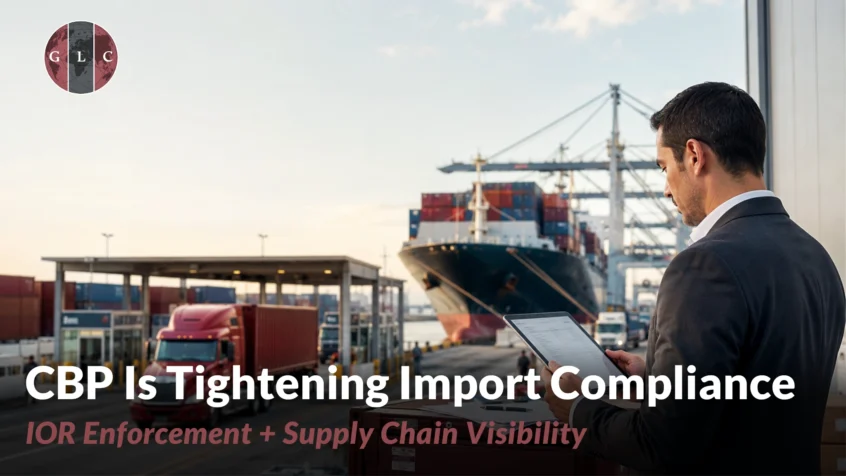
U.S. import compliance is moving into a more data-driven phase. Two recent U.S. Customs and Border Protection actions, enhanced enforcement of Importer of Record information and a new initiative focused on supply chain visibility, show a common direction: CBP wants more accurate importer identity data and deeper visibility into the parties, documents, and information behind goods entering the United States. Both actions trace back to … Read More
CPSC eFiling Becomes Mandatory July 8, 2026: What Importers Need to Prepare Now
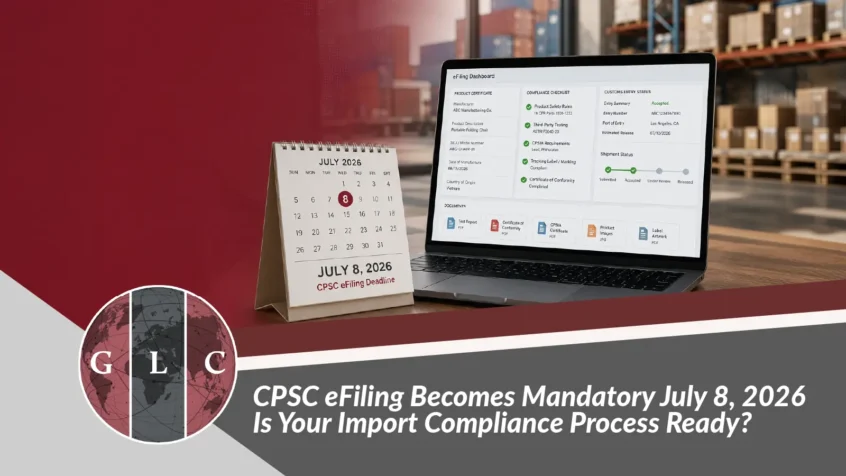
Beginning July 8, 2026, importers of regulated consumer products will face a major change in how product safety certificate information is submitted during the U.S. customs entry process. Under the U.S. Consumer Product Safety Commission’s new eFiling requirements, paper or PDF Certificates of Compliance will no longer be enough on their own for covered imported products. Instead, required certificate data must be submitted electronically as … Read More
Customs Clearance Starts Before Arrival
Customs clearance before arrival is one of the most important steps importers can take to reduce delays, avoid compliance gaps, and improve shipment visibility. For many companies, customs clearance feels like something that happens only when cargo reaches the port, airport, or border. In reality, the strongest customs process starts before the shipment moves. A missing invoice, incorrect classification, late Importer Security Filing, inactive customs … Read More
25% Tariffs on Countries “Doing Business” With Iran
In mid-January 2026, multiple major outlets reported that President Donald Trump announced a 25% tariff targeting any country that “does business” with Iran, described as effective immediately via a social media statement. For supply chain leaders, the headline isn’t just “a new tariff.” It’s the uncertainty: Which countries qualify? What counts as “doing business”? Will CBP publish implementation guidance? Will it stack on top of … Read More