
Automotive Logistics for U.S. Importers, Parts Suppliers & Aftermarket Brands
Automotive logistics support for manufacturers, parts suppliers, distributors, dealers, and aftermarket brands, including freight forwarding, customs clearance, warehousing, and fulfillment.
Request a Automotive Logistics Quote
Get a Free Consultation with Our Import Team
Reliable Logistics for Automotive Importers and Parts Suppliers
Automotive logistics depends on timing, accuracy, and parts availability. One delayed container, classification issue, missing document, or inventory visibility gap can affect production schedules, replenishment plans, retail commitments, and customer service levels.
That accuracy matters because automotive products can involve complex import data, tariff visibility, origin documentation, and compliance requirements. The U.S. International Trade Administration provides automotive trade data using Harmonized Tariff Schedule import groupings, reinforcing how closely automotive trade is tied to classification and customs data.
For 20 years, GLC has helped U.S. importers move products with greater visibility, cleaner documentation, and reliable logistics support. From ocean and air freight to in-house customs brokerage, warehousing, and fulfillment, our team helps automotive manufacturers, parts suppliers, distributors, dealers, and aftermarket brands keep goods moving with better control.

Automotive Supply Chains Require Timing, Accuracy, and Control
Automotive importers and suppliers face pressure across documentation, routing, customs clearance, inventory control, parts availability, and delivery timelines. Strong automotive logistics helps reduce friction before small issues become costly disruptions.
Parts Availability & Production Pressure
Automotive operations depend on the right parts being available at the right time. Delayed components can affect production planning, repairs, replenishment, and customer commitments.
Documentation & Classification Complexity
Imported parts, components, and aftermarket products often require accurate product details, HTS classification coordination, origin documentation, and duty visibility. One incorrect detail can create delays or cost exposure.
Routing & Transit Reliability
Automotive shipments often move across global and domestic lanes with tight timing expectations. Importers need coordinated ocean, air, ground, drayage, and delivery planning to protect schedules.
Inventory Visibility & Distribution Control
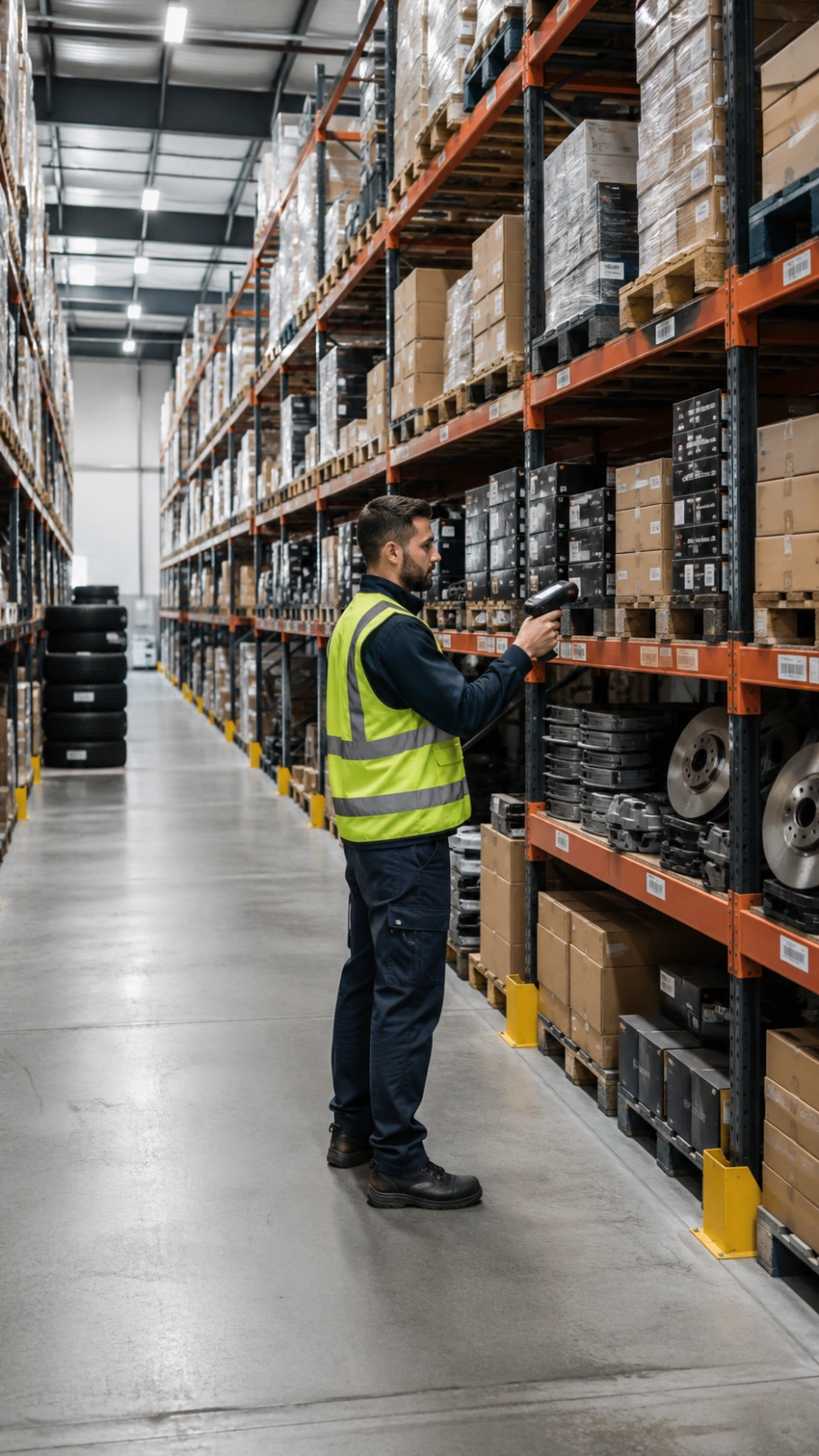
Parts suppliers, dealers, and aftermarket brands need clear inventory visibility after arrival. Receiving, storage, kitting, labeling, pick-and-pack, and distribution must be accurate and reliable.
Logistics Support for Automotive Imports and Customs Clearance
From international movement to customs release, GLC supports the automotive logistics journey with freight forwarding and in-house customs brokerage under one roof. Our team helps automotive manufacturers, parts suppliers, aftermarket brands, distributors, and dealers move products with cleaner documentation, stronger visibility, and fewer avoidable delays. Select a service below to see how GLC supports your specific needs.
Automotive Freight Forwarding by Ocean, Air & Ground
Move automotive parts, components, and aftermarket products with a freight forwarding team that understands how automotive logistics depends on timing, routing, and supply continuity. GLC coordinates ocean, air, and ground transportation to help your cargo move with visibility from origin to destination.
What’s Included
- Ocean freight for international automotive imports
- Air freight for time-sensitive parts and urgent replenishment
- Ground transport and drayage from port to warehouse
- Routing coordination based on production and delivery needs
- End-to-end shipment visibility and tracking
- Documentation coordination across suppliers, carriers, and import teams
In-House Customs Brokerage for Automotive Imports
Automotive imports require accurate entry data, clear documentation, and careful coordination around classification, origin, tariffs, and duty exposure. GLC’s in-house licensed customs brokerage team helps importers manage customs clearance, HTS classification coordination, ISF, documentation review, and duty visibility.
For automotive parts, classification and origin details can directly affect landed cost and customs processing. With GLC, importers gain a coordinated customs process designed to support cleaner entries, stronger communication, and fewer avoidable delays.
What’s Included
- HTS classification coordination and review
- Customs entry filing and documentation review
- Importer Security Filing support
- Origin documentation coordination
- Tariff and duty visibility
- Partner Government Agency coordination when needed
- Continuous bond management
- Shipment release support and customs communication
Why it matters: Most shipment delays start before cargo arrives. With GLC’s in-house customs brokerage team, automotive importers get one point of contact, faster communication, and better coordination between freight, customs, warehouse receiving, and final delivery.
Our Certifications